Buy financejob.eu ?
We are moving the project
financejob.eu .
Are you interested in purchasing the domain
financejob.eu ?
domain@kv-gmbh.de · 0541-91531010
Buy financejob.eu ?
What is the difference between a Supply Chain Manager and an SAP Consultant?
A Supply Chain Manager is responsible for overseeing the entire supply chain process, from sourcing raw materials to delivering the final product to customers. They are focused on optimizing the flow of goods and information throughout the supply chain to ensure efficiency and cost-effectiveness. On the other hand, an SAP Consultant is an expert in the SAP software system, which is used for managing various business functions such as finance, human resources, and supply chain management. Their role is to implement and customize SAP solutions to meet the specific needs of a company, including optimizing supply chain processes within the SAP system. In summary, while a Supply Chain Manager focuses on the overall management of the supply chain, an SAP Consultant specializes in implementing and optimizing supply chain processes within the SAP software system. **
Is the risk of supply shortages being downplayed?
The risk of supply shortages is not being downplayed, but rather it is being closely monitored and addressed by governments and industries around the world. The global supply chain has been significantly disrupted by the COVID-19 pandemic, leading to shortages in various products and materials. Efforts are being made to mitigate these shortages through increased production, diversifying supply sources, and implementing strategic stockpiling. However, the situation remains dynamic and requires ongoing attention to prevent potential supply chain disruptions. **


Similar search terms for Supply
Top-Angebote
Products related to Supply:



-
What is the difference between an auditor and a business consultant?
An auditor is responsible for examining and evaluating a company's financial records and statements to ensure accuracy and compliance with regulations. They focus on identifying errors, fraud, and inefficiencies in financial processes. On the other hand, a business consultant provides strategic advice and guidance to help businesses improve their performance, operations, and overall efficiency. They may offer expertise in areas such as management, marketing, operations, and organizational structure, with the goal of helping the business achieve its objectives and overcome challenges. While auditors focus on financial compliance and accuracy, business consultants focus on overall business improvement and strategy. **
-
Is there a risk of electric shock from the PC power supply?
Yes, there is a risk of electric shock from the PC power supply if it is not handled properly. The power supply unit (PSU) in a PC contains high voltage components and capacitors that can store electrical charge even when the PC is turned off and unplugged. If the PSU is opened or tampered with by someone who is not trained to handle electrical components, there is a risk of electric shock. It is important to always follow safety guidelines and avoid opening the PSU unless you are a qualified technician. **
-
What is the basic supply of electricity supply?
The basic supply of electricity comes from power plants that generate electricity through various means such as burning fossil fuels, nuclear reactions, or harnessing renewable energy sources like wind or solar power. The electricity generated is then transmitted through a network of power lines to homes, businesses, and other facilities. From there, it is distributed to consumers through electrical wiring and outlets. This basic supply of electricity is essential for powering our modern society and is a fundamental requirement for daily life and economic activity. **
-
What is the risk of using a cable extension for the power supply?
Using a cable extension for the power supply can pose a risk of overloading the extension cord if it is not rated for the power requirements of the device being connected. This can lead to overheating, potential fire hazards, and damage to the connected devices. Additionally, using a damaged or frayed extension cord can increase the risk of electrical shocks or short circuits. It is important to use high-quality, properly rated extension cords and to regularly inspect them for any signs of wear or damage to minimize these risks. **


Which power supply?
When choosing a power supply, it is important to consider the wattage needed for your system. Make sure to select a power supply that can provide enough power for all your components, with some extra headroom for future upgrades. Additionally, look for a power supply from a reputable brand with good reviews to ensure reliability and efficiency. **
What is the difference between basic supply and replacement supply?
Basic supply refers to the initial supply of goods or materials needed for a particular purpose, such as starting a project or stocking a new store. Replacement supply, on the other hand, refers to the supply of goods or materials needed to replace items that have been used up, worn out, or otherwise no longer functional. In essence, basic supply is the first-time provision of necessary items, while replacement supply is the ongoing replenishment of those items as they are consumed or depleted. **
Top-Angebote
Products related to Supply:
-
Corsair CX550 Power Supply 550WFully modular 550W ATX power supply with 80 PLUS Bronze certification for efficient operation. Features a quiet 120mm fan, stable 100,000-hour MTBF rating, and comprehensive connectivity including PCIe, EPS, SATA, and PATA connectors. Backed by a 5-year manufacturer's guarantee.61,99 £*Shipping: 0,00 £Secure redirect to the provider
-
What is the difference between a Supply Chain Manager and an SAP Consultant?
A Supply Chain Manager is responsible for overseeing the entire supply chain process, from sourcing raw materials to delivering the final product to customers. They are focused on optimizing the flow of goods and information throughout the supply chain to ensure efficiency and cost-effectiveness. On the other hand, an SAP Consultant is an expert in the SAP software system, which is used for managing various business functions such as finance, human resources, and supply chain management. Their role is to implement and customize SAP solutions to meet the specific needs of a company, including optimizing supply chain processes within the SAP system. In summary, while a Supply Chain Manager focuses on the overall management of the supply chain, an SAP Consultant specializes in implementing and optimizing supply chain processes within the SAP software system. **
-
Is the risk of supply shortages being downplayed?
The risk of supply shortages is not being downplayed, but rather it is being closely monitored and addressed by governments and industries around the world. The global supply chain has been significantly disrupted by the COVID-19 pandemic, leading to shortages in various products and materials. Efforts are being made to mitigate these shortages through increased production, diversifying supply sources, and implementing strategic stockpiling. However, the situation remains dynamic and requires ongoing attention to prevent potential supply chain disruptions. **
-
What is the difference between an auditor and a business consultant?
An auditor is responsible for examining and evaluating a company's financial records and statements to ensure accuracy and compliance with regulations. They focus on identifying errors, fraud, and inefficiencies in financial processes. On the other hand, a business consultant provides strategic advice and guidance to help businesses improve their performance, operations, and overall efficiency. They may offer expertise in areas such as management, marketing, operations, and organizational structure, with the goal of helping the business achieve its objectives and overcome challenges. While auditors focus on financial compliance and accuracy, business consultants focus on overall business improvement and strategy. **
-
Is there a risk of electric shock from the PC power supply?
Yes, there is a risk of electric shock from the PC power supply if it is not handled properly. The power supply unit (PSU) in a PC contains high voltage components and capacitors that can store electrical charge even when the PC is turned off and unplugged. If the PSU is opened or tampered with by someone who is not trained to handle electrical components, there is a risk of electric shock. It is important to always follow safety guidelines and avoid opening the PSU unless you are a qualified technician. **
Similar search terms for Supply
-
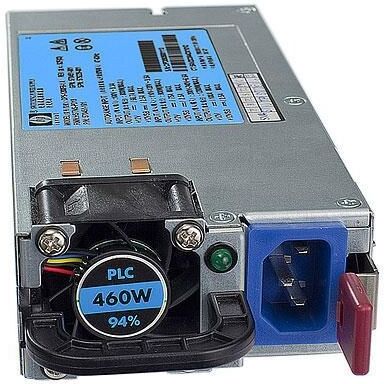
HPE 1000W Hot-Plug Power Supply1000W hot-plug power supply with 80 PLUS Titanium efficiency for enterprise server environments. Designed for HPE ProLiant DL360 Gen10, DL380 Gen10, and DX360 Gen10 series with Flex Slot compatibility. Supports AC 200-240V input for data center deployment with redundancy and high-efficiency power distribution.264,99 £*Shipping: 0,00 £Secure redirect to the provider
-
Kohler Supply Elbow in Vibrant Polished NickelProduct Features: Fully covered under Kohler's one year limited warranty Premier finishing process – finish will resist rusting and corrosion through every day use Supply elbow constructed of metal 90-degree wall elbow ½” threaded male connection...198,63 $*Shipping: 0,00 $Secure redirect to the provider
-
What is the basic supply of electricity supply?
The basic supply of electricity comes from power plants that generate electricity through various means such as burning fossil fuels, nuclear reactions, or harnessing renewable energy sources like wind or solar power. The electricity generated is then transmitted through a network of power lines to homes, businesses, and other facilities. From there, it is distributed to consumers through electrical wiring and outlets. This basic supply of electricity is essential for powering our modern society and is a fundamental requirement for daily life and economic activity. **
-
What is the risk of using a cable extension for the power supply?
Using a cable extension for the power supply can pose a risk of overloading the extension cord if it is not rated for the power requirements of the device being connected. This can lead to overheating, potential fire hazards, and damage to the connected devices. Additionally, using a damaged or frayed extension cord can increase the risk of electrical shocks or short circuits. It is important to use high-quality, properly rated extension cords and to regularly inspect them for any signs of wear or damage to minimize these risks. **
-
Which power supply?
When choosing a power supply, it is important to consider the wattage needed for your system. Make sure to select a power supply that can provide enough power for all your components, with some extra headroom for future upgrades. Additionally, look for a power supply from a reputable brand with good reviews to ensure reliability and efficiency. **
-
What is the difference between basic supply and replacement supply?
Basic supply refers to the initial supply of goods or materials needed for a particular purpose, such as starting a project or stocking a new store. Replacement supply, on the other hand, refers to the supply of goods or materials needed to replace items that have been used up, worn out, or otherwise no longer functional. In essence, basic supply is the first-time provision of necessary items, while replacement supply is the ongoing replenishment of those items as they are consumed or depleted. **
* All prices are inclusive of VAT and, if applicable, plus shipping costs. The offer information is based on the details provided by the respective shop and is updated through automated processes. Real-time updates do not occur, so deviations can occur in individual cases. ** Note: Parts of this content were created by AI.