Buy financejob.eu ?
We are moving the project
financejob.eu .
Are you interested in purchasing the domain
financejob.eu ?
domain@kv-gmbh.de · 0541-91531010
Buy financejob.eu ?
What exactly is ergonomics?
Ergonomics is the study of designing and arranging things people use so that the people and things interact most efficiently and safely. It focuses on creating products, systems, and environments that are comfortable, efficient, and user-friendly. By considering the capabilities and limitations of people in relation to their work and surroundings, ergonomics aims to optimize human well-being and overall system performance. **
What is ergonomics in printers?
Ergonomics in printers refers to the design and arrangement of printers to optimize user comfort, efficiency, and safety. This includes factors such as the placement of controls, ease of paper loading, and accessibility of maintenance areas. By considering ergonomics in printer design, manufacturers aim to reduce user fatigue, minimize the risk of injury, and enhance overall user experience. **

Similar search terms for Ergonomics
Top-Angebote
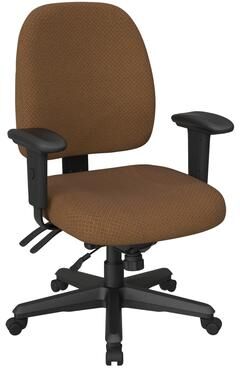
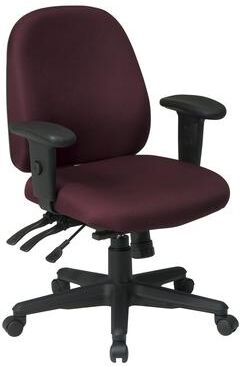
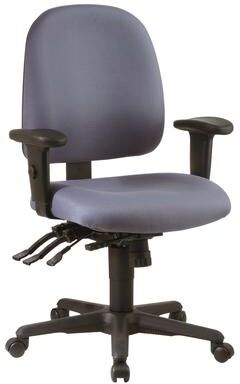
Products related to Ergonomics:


-
What game ideas are there for the topics of ergonomics, spatial planning, and furniture?
For the topic of ergonomics, a game idea could be a simulation game where players design and arrange a virtual workspace to maximize comfort and efficiency, while considering ergonomic principles such as proper posture and equipment placement. For spatial planning, a game could involve designing and organizing a virtual living space, such as a room or house, to optimize functionality and aesthetics within a given budget or space constraints. As for furniture, a game idea could be a virtual interior design challenge where players select and arrange furniture pieces to create stylish and functional room layouts, while considering factors such as scale, proportion, and traffic flow. **
-
What is the difference between an auditor and a business consultant?
An auditor is responsible for examining and evaluating a company's financial records and statements to ensure accuracy and compliance with regulations. They focus on identifying errors, fraud, and inefficiencies in financial processes. On the other hand, a business consultant provides strategic advice and guidance to help businesses improve their performance, operations, and overall efficiency. They may offer expertise in areas such as management, marketing, operations, and organizational structure, with the goal of helping the business achieve its objectives and overcome challenges. While auditors focus on financial compliance and accuracy, business consultants focus on overall business improvement and strategy. **
-
How can one become self-employed as a financial manager consultant?
To become self-employed as a financial manager consultant, one should first acquire the necessary education and experience in finance and management. This may include obtaining a bachelor's degree in finance or a related field, as well as gaining several years of experience working in financial management. Additionally, obtaining relevant certifications such as the Certified Management Accountant (CMA) or Chartered Financial Analyst (CFA) can help establish credibility. Once the necessary qualifications are obtained, one can start building a client base by networking, marketing their services, and showcasing their expertise through speaking engagements or writing articles. Finally, it's important to establish a solid business plan and set up the necessary infrastructure to operate as a self-employed financial manager consultant. **
-
What education is required in the investment sector to work as a financial advisor?
To work as a financial advisor in the investment sector, a minimum of a bachelor's degree in finance, economics, business, or a related field is typically required. Many financial advisors also pursue additional certifications such as the Certified Financial Planner (CFP) designation, which involves passing an exam and meeting experience requirements. Continuing education is essential in this field to stay updated on market trends, regulations, and investment strategies. Strong analytical skills, knowledge of financial products, and the ability to communicate effectively with clients are also important qualities for success in this role. **
What training is required in the investment sector to work as a financial advisor?
To work as a financial advisor in the investment sector, individuals typically need a bachelor's degree in finance, economics, business, or a related field. Many financial advisors also pursue certifications such as the Certified Financial Planner (CFP) designation, which requires passing an exam and meeting experience and ethics requirements. Continuous education and training are essential in this field to stay updated on market trends, regulations, and investment strategies. Some financial firms may also provide on-the-job training and mentorship programs for aspiring financial advisors. **
Is the TÜV training for Quality Manager Auditor a good training? Who has experience with it?
The TÜV training for Quality Manager Auditor is generally considered to be a good training program. It is recognized internationally and provides participants with the knowledge and skills necessary to effectively manage and audit quality management systems. Many professionals in the field of quality management have found the TÜV training to be valuable in advancing their careers and enhancing their expertise. However, it is always recommended to research and seek out feedback from individuals who have directly participated in the training to gain a better understanding of its effectiveness. **
Top-Angebote
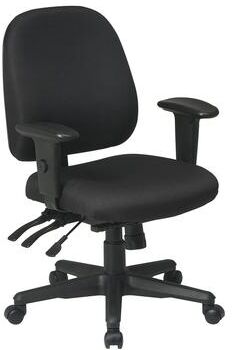
Products related to Ergonomics:
-
What exactly is ergonomics?
Ergonomics is the study of designing and arranging things people use so that the people and things interact most efficiently and safely. It focuses on creating products, systems, and environments that are comfortable, efficient, and user-friendly. By considering the capabilities and limitations of people in relation to their work and surroundings, ergonomics aims to optimize human well-being and overall system performance. **
-
What is ergonomics in printers?
Ergonomics in printers refers to the design and arrangement of printers to optimize user comfort, efficiency, and safety. This includes factors such as the placement of controls, ease of paper loading, and accessibility of maintenance areas. By considering ergonomics in printer design, manufacturers aim to reduce user fatigue, minimize the risk of injury, and enhance overall user experience. **
-
What game ideas are there for the topics of ergonomics, spatial planning, and furniture?
For the topic of ergonomics, a game idea could be a simulation game where players design and arrange a virtual workspace to maximize comfort and efficiency, while considering ergonomic principles such as proper posture and equipment placement. For spatial planning, a game could involve designing and organizing a virtual living space, such as a room or house, to optimize functionality and aesthetics within a given budget or space constraints. As for furniture, a game idea could be a virtual interior design challenge where players select and arrange furniture pieces to create stylish and functional room layouts, while considering factors such as scale, proportion, and traffic flow. **
-
What is the difference between an auditor and a business consultant?
An auditor is responsible for examining and evaluating a company's financial records and statements to ensure accuracy and compliance with regulations. They focus on identifying errors, fraud, and inefficiencies in financial processes. On the other hand, a business consultant provides strategic advice and guidance to help businesses improve their performance, operations, and overall efficiency. They may offer expertise in areas such as management, marketing, operations, and organizational structure, with the goal of helping the business achieve its objectives and overcome challenges. While auditors focus on financial compliance and accuracy, business consultants focus on overall business improvement and strategy. **
Similar search terms for Ergonomics
-
How can one become self-employed as a financial manager consultant?
To become self-employed as a financial manager consultant, one should first acquire the necessary education and experience in finance and management. This may include obtaining a bachelor's degree in finance or a related field, as well as gaining several years of experience working in financial management. Additionally, obtaining relevant certifications such as the Certified Management Accountant (CMA) or Chartered Financial Analyst (CFA) can help establish credibility. Once the necessary qualifications are obtained, one can start building a client base by networking, marketing their services, and showcasing their expertise through speaking engagements or writing articles. Finally, it's important to establish a solid business plan and set up the necessary infrastructure to operate as a self-employed financial manager consultant. **
-
What education is required in the investment sector to work as a financial advisor?
To work as a financial advisor in the investment sector, a minimum of a bachelor's degree in finance, economics, business, or a related field is typically required. Many financial advisors also pursue additional certifications such as the Certified Financial Planner (CFP) designation, which involves passing an exam and meeting experience requirements. Continuing education is essential in this field to stay updated on market trends, regulations, and investment strategies. Strong analytical skills, knowledge of financial products, and the ability to communicate effectively with clients are also important qualities for success in this role. **
-
What training is required in the investment sector to work as a financial advisor?
To work as a financial advisor in the investment sector, individuals typically need a bachelor's degree in finance, economics, business, or a related field. Many financial advisors also pursue certifications such as the Certified Financial Planner (CFP) designation, which requires passing an exam and meeting experience and ethics requirements. Continuous education and training are essential in this field to stay updated on market trends, regulations, and investment strategies. Some financial firms may also provide on-the-job training and mentorship programs for aspiring financial advisors. **
-
Is the TÜV training for Quality Manager Auditor a good training? Who has experience with it?
The TÜV training for Quality Manager Auditor is generally considered to be a good training program. It is recognized internationally and provides participants with the knowledge and skills necessary to effectively manage and audit quality management systems. Many professionals in the field of quality management have found the TÜV training to be valuable in advancing their careers and enhancing their expertise. However, it is always recommended to research and seek out feedback from individuals who have directly participated in the training to gain a better understanding of its effectiveness. **
* All prices are inclusive of VAT and, if applicable, plus shipping costs. The offer information is based on the details provided by the respective shop and is updated through automated processes. Real-time updates do not occur, so deviations can occur in individual cases. ** Note: Parts of this content were created by AI.