Buy financejob.eu ?
We are moving the project
financejob.eu .
Are you interested in purchasing the domain
financejob.eu ?
domain@kv-gmbh.de · 0541-91531010
Buy financejob.eu ?
What is the difference between an auditor and a business consultant?
An auditor is responsible for examining and evaluating a company's financial records and statements to ensure accuracy and compliance with regulations. They focus on identifying errors, fraud, and inefficiencies in financial processes. On the other hand, a business consultant provides strategic advice and guidance to help businesses improve their performance, operations, and overall efficiency. They may offer expertise in areas such as management, marketing, operations, and organizational structure, with the goal of helping the business achieve its objectives and overcome challenges. While auditors focus on financial compliance and accuracy, business consultants focus on overall business improvement and strategy. **
Is there really a risk of a nuclear war?
Yes, there is a real risk of a nuclear war. Tensions between nuclear-armed countries, such as the United States, Russia, China, and North Korea, continue to pose a threat. Additionally, the proliferation of nuclear weapons to other countries and the potential for non-state actors to acquire them further increases the risk. The use of nuclear weapons would have catastrophic consequences, making it crucial for global leaders to work towards nuclear disarmament and non-proliferation. **
Similar search terms for War
Top-Angebote
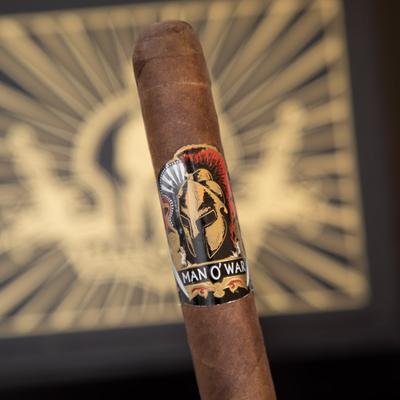
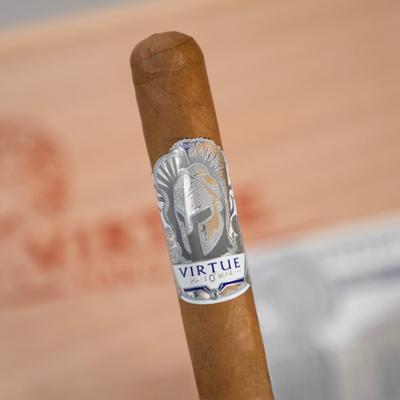
Products related to War:

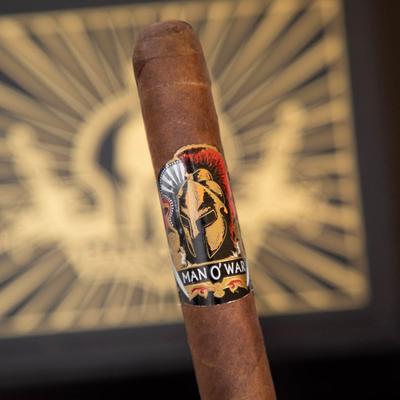
-
Was the Korean War a proxy war or a civil war?
The Korean War was a proxy war, as it was fought between the communist-backed North Korea and the capitalist-backed South Korea, with support and involvement from other major powers such as the United States, China, and the Soviet Union. The conflict was not solely an internal struggle within Korea, but rather a larger geopolitical struggle between the two opposing ideologies of communism and capitalism. The involvement of outside powers and the global implications of the war make it more accurately described as a proxy war rather than a civil war. **
-
Is the First World War a modern war?
Yes, the First World War is considered a modern war due to the use of advanced technology and tactics that were unprecedented at the time. The war saw the introduction of new weapons such as tanks, airplanes, and chemical warfare, which changed the nature of warfare. Additionally, the scale of the conflict involving multiple countries and resulting in millions of casualties marked a departure from previous wars in terms of its global impact and devastation. Overall, the First World War is seen as a turning point in military history towards modern warfare. **
-
What is the motto of Wallenstein: "War feeds war" in the Thirty Years' War?
The motto "War feeds war" reflects the strategy of Wallenstein, a prominent military leader in the Thirty Years' War. It suggests that the continuation of war is necessary for its sustenance, as it provides resources, power, and opportunities for those involved in the conflict. This motto encapsulates the idea that war perpetuates itself, creating a cycle of violence and destruction. Wallenstein's approach to warfare was characterized by aggressive tactics and a focus on maintaining and expanding his military influence, making this motto a fitting representation of his approach to the conflict. **
-
How great is the current risk of a civil war in the USA?
The current risk of a civil war in the USA is relatively low. While there are significant political divisions and social tensions in the country, the institutions and democratic processes in place provide avenues for addressing grievances and resolving conflicts peacefully. It is important for leaders and citizens to engage in constructive dialogue, promote unity, and uphold the rule of law to prevent any escalation of violence or conflict. **
How did the Second World War turn from a European war into a world war?
The Second World War turned from a European war into a world war primarily due to the expansionist policies of Nazi Germany and Japan. Germany's invasion of Poland in 1939 prompted Britain and France to declare war, drawing in their colonies and allies from around the world. Japan's aggressive actions in Asia, such as the invasion of China and the attack on Pearl Harbor in 1941, further escalated the conflict by involving countries in the Pacific and Southeast Asia. The alliances formed between the Axis powers and the Allied powers also contributed to the global nature of the war, as countries from different regions joined the fight on either side. **
From when is a war considered a world war?
A war is considered a world war when it involves multiple countries from different regions of the world. Typically, a world war is characterized by large-scale military engagements, significant global impact, and alliances between multiple nations. The term "world war" is often used to describe conflicts that have a widespread and profound impact on the international community, affecting economies, societies, and politics on a global scale. **
Top-Angebote
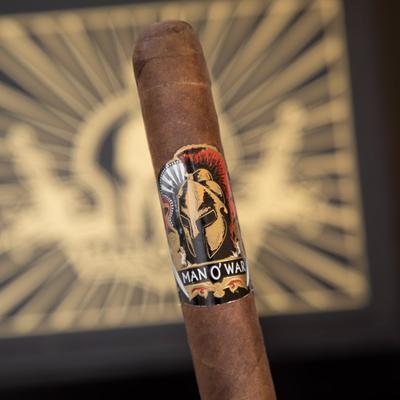
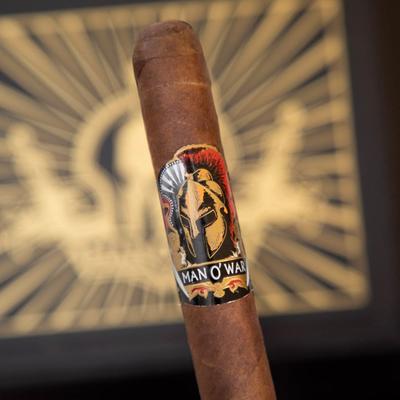
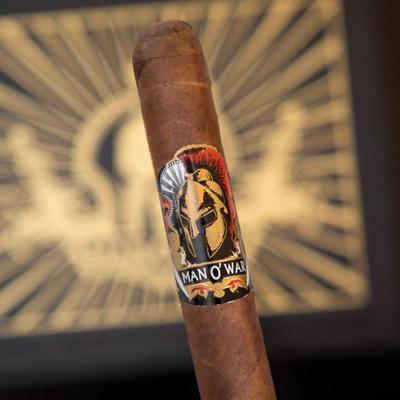
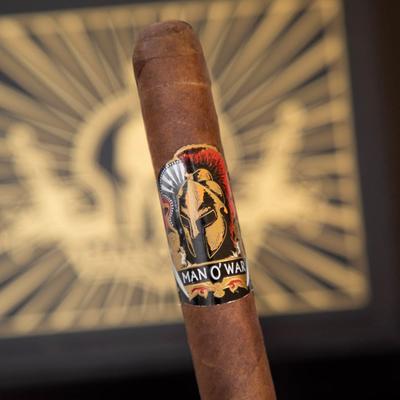
Products related to War:
-
What is the difference between an auditor and a business consultant?
An auditor is responsible for examining and evaluating a company's financial records and statements to ensure accuracy and compliance with regulations. They focus on identifying errors, fraud, and inefficiencies in financial processes. On the other hand, a business consultant provides strategic advice and guidance to help businesses improve their performance, operations, and overall efficiency. They may offer expertise in areas such as management, marketing, operations, and organizational structure, with the goal of helping the business achieve its objectives and overcome challenges. While auditors focus on financial compliance and accuracy, business consultants focus on overall business improvement and strategy. **
-
Is there really a risk of a nuclear war?
Yes, there is a real risk of a nuclear war. Tensions between nuclear-armed countries, such as the United States, Russia, China, and North Korea, continue to pose a threat. Additionally, the proliferation of nuclear weapons to other countries and the potential for non-state actors to acquire them further increases the risk. The use of nuclear weapons would have catastrophic consequences, making it crucial for global leaders to work towards nuclear disarmament and non-proliferation. **
-
Was the Korean War a proxy war or a civil war?
The Korean War was a proxy war, as it was fought between the communist-backed North Korea and the capitalist-backed South Korea, with support and involvement from other major powers such as the United States, China, and the Soviet Union. The conflict was not solely an internal struggle within Korea, but rather a larger geopolitical struggle between the two opposing ideologies of communism and capitalism. The involvement of outside powers and the global implications of the war make it more accurately described as a proxy war rather than a civil war. **
-
Is the First World War a modern war?
Yes, the First World War is considered a modern war due to the use of advanced technology and tactics that were unprecedented at the time. The war saw the introduction of new weapons such as tanks, airplanes, and chemical warfare, which changed the nature of warfare. Additionally, the scale of the conflict involving multiple countries and resulting in millions of casualties marked a departure from previous wars in terms of its global impact and devastation. Overall, the First World War is seen as a turning point in military history towards modern warfare. **
Similar search terms for War
-
What is the motto of Wallenstein: "War feeds war" in the Thirty Years' War?
The motto "War feeds war" reflects the strategy of Wallenstein, a prominent military leader in the Thirty Years' War. It suggests that the continuation of war is necessary for its sustenance, as it provides resources, power, and opportunities for those involved in the conflict. This motto encapsulates the idea that war perpetuates itself, creating a cycle of violence and destruction. Wallenstein's approach to warfare was characterized by aggressive tactics and a focus on maintaining and expanding his military influence, making this motto a fitting representation of his approach to the conflict. **
-
How great is the current risk of a civil war in the USA?
The current risk of a civil war in the USA is relatively low. While there are significant political divisions and social tensions in the country, the institutions and democratic processes in place provide avenues for addressing grievances and resolving conflicts peacefully. It is important for leaders and citizens to engage in constructive dialogue, promote unity, and uphold the rule of law to prevent any escalation of violence or conflict. **
-
How did the Second World War turn from a European war into a world war?
The Second World War turned from a European war into a world war primarily due to the expansionist policies of Nazi Germany and Japan. Germany's invasion of Poland in 1939 prompted Britain and France to declare war, drawing in their colonies and allies from around the world. Japan's aggressive actions in Asia, such as the invasion of China and the attack on Pearl Harbor in 1941, further escalated the conflict by involving countries in the Pacific and Southeast Asia. The alliances formed between the Axis powers and the Allied powers also contributed to the global nature of the war, as countries from different regions joined the fight on either side. **
-
From when is a war considered a world war?
A war is considered a world war when it involves multiple countries from different regions of the world. Typically, a world war is characterized by large-scale military engagements, significant global impact, and alliances between multiple nations. The term "world war" is often used to describe conflicts that have a widespread and profound impact on the international community, affecting economies, societies, and politics on a global scale. **
* All prices are inclusive of VAT and, if applicable, plus shipping costs. The offer information is based on the details provided by the respective shop and is updated through automated processes. Real-time updates do not occur, so deviations can occur in individual cases. ** Note: Parts of this content were created by AI.